Best B2B Webflow Design Examples For Inspo in 2026
Explore 8 stunning B2B Webflow websites from 2026 that blend bold design, micro-interactions, and scalable CMS power. Read now.

In 2026, Webflow has firmly established itself as a go-to platform for ambitious B2B and SaaS brands that want high-performing, beautifully designed custom websites without the drag of legacy CMS constraints, giving web designers more creative freedom in how they structure each experience.
In a world where buyers research, compare, and shortlist vendors long before speaking to sales, your website has become the front line of your B2B brand and often the primary portfolio website your potential clients ever see. It needs to communicate value clearly, feel modern, use a user-friendly interface, and make it effortless for users to take the next step.
Webflow has emerged as one of the most powerful platforms for delivering that kind of experience, especially when you want a Webflow website that balances interactive elements with a minimalist design. With over 493,000 active websites and a growing share of the CMS market, it is one of the fastest-rising tools for modern web teams in 2025–2026, and a compelling website builder for B2B brands focused on building websites that stand out.
Book a Webflow demo call
Why Webflow works for B2B and SaaS web design
Webflow’s growth is driven largely by product teams, marketers, and design-led companies that want flexibility without sacrificing performance or stability, especially when crafting a distinct brand identity online. For B2B and SaaS, it hits a particularly sweet spot:
- Easy content management for clients. If you can drag, drop, and edit a Word document, you can manage a Webflow site, giving non-technical teams the power to maintain a user-friendly design over time. Non-technical teams can update copy, swap visuals, and publish blogs or landing pages directly, without waiting on developer support.
- Super fast speed to build. What once took months can now be done in weeks; Webflow’s visual development environment allows agencies and in-house teams to design, build, and iterate quickly, often completing full website transformations in under 12 weeks while still tailoring the experience to a clear target audience.
- Break free of templates. Unlike WordPress or HubSpot, where you are often constrained by rigid themes and plugin ecosystems, Webflow gives designers a near-blank canvas, ideal for highly branded Webflow websites and portfolio-style layouts that feature client logos and social proof. Custom layouts, animations, and interactions can be created to match your brand, not a template.
- Secure and lightning fast. Webflow is an all-in-one hosted website and CMS platform with security, SEO and performance best practices baked in, which matters when potential clients are benchmarking you against competitors. Its managed hosting and CDN help deliver fast page loads while removing the overhead of managing fragile plugins and manual updates.
- Scalable component systems. Webflow aligns naturally with modern design systems and gives web designers system-level control over a site’s structure. Components and symbols can be reused across pages, so as your site grows—from a handful of pages to hundreds—your brand stays consistent and your team stays efficient.
The best B2B Webflow examples for design inspiration in 2026
Let’s take a look at some of the most inspiring and intelligently designed B2B Webflow sites of 2026; all crafted by Overpass Studio, a leader in creative Webflow development that regularly ships some of the best Webflow websites for SaaS.
1: Teacher Engagement Platform (TEP)

The Teacher Engagement Platform (TEP) site blends human-centered storytelling with clean SaaS precision in a way that showcases how a Webflow website can double as a conversion-focused portfolio website for a growing edtech brand.
Its interface uses subtle pastel gradients, lively illustrations, and concise messaging that instantly conveys trust and accessibility, which is perfect for technology that supports educators.
What’s special is how the design speaks differently to various audiences (educators, school administrators, and investors) without cluttering the narrative or losing sight of the core target audience. Every section feels approachable yet authoritative, guided by smooth transitions and purposeful space that highlight interactive elements without overwhelming users.
2: Lima Delta
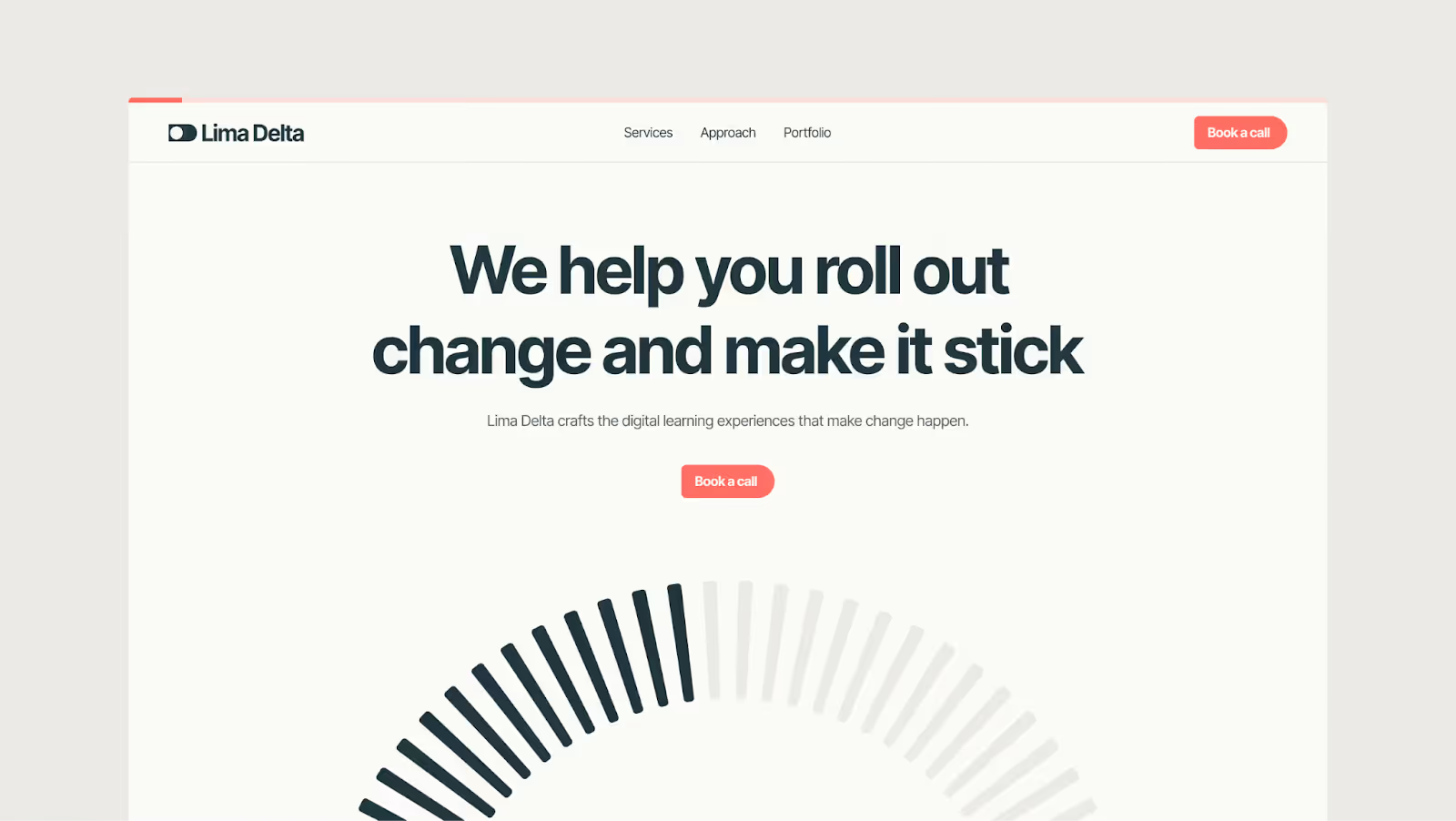
Lima Delta’s Webflow design uses bold typography and dynamic grid layouts to communicate confidence, showing how a minimalist design can still feel expressive and premium. This is B2B minimalism at its finest; sharp contrast, clever use of whitespace, and motion that directs users instead of distracting them.
Interactive hover states lend sophistication to a classic corporate aesthetic, while subtle animations give the site a sense of momentum suited to potential clients looking for clarity and authority.
The result? A visual identity that feels equal parts creative agency and consulting powerhouse, perfect as design inspiration for teams building websites in complex industries.
3: Punch
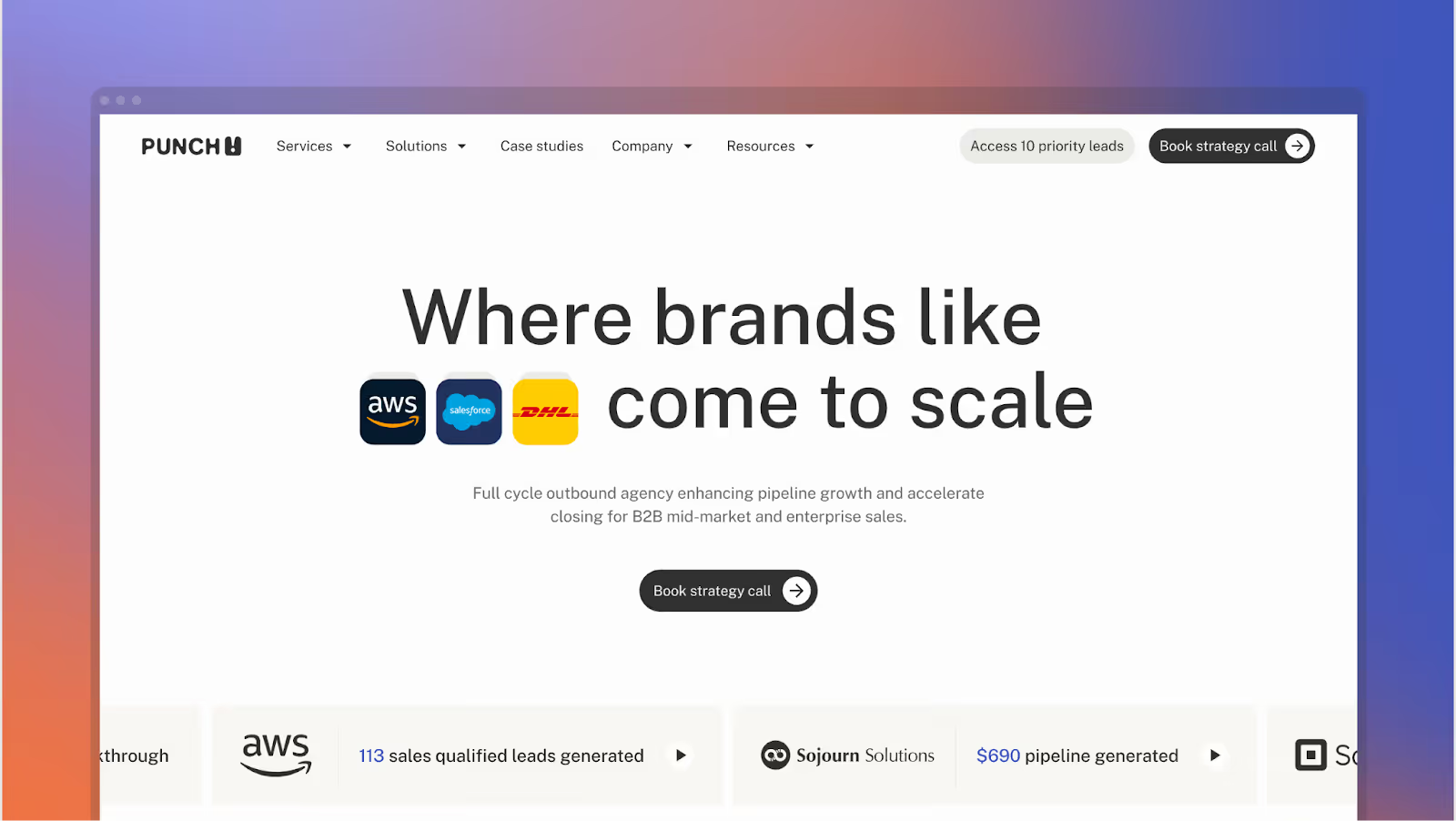
Punch’s Webflow site shows how a B2B sales agency can look sharp, modern and genuinely fun without losing an ounce of credibility. Bold gradients, clean layouts and confident typography create a visual identity that feels as energetic as the outbound campaigns they run.
The design leans into what Punch actually does day to day: blending human sales expertise with tech-enabled workflows and data. Clear messaging and focused page sections make it easy for time-poor revenue leaders to scan proof points, understand the offer and move straight to taking action.
Behind the scenes, Webflow gives Punch the flexibility to launch and iterate landing pages at pace, so the site can evolve alongside new campaigns and experiments. For B2B teams building websites that need to keep up with fast-moving go-to-market motions, it’s a neat example of how a bit of creative freedom and a solid CMS can have a very real impact on pipeline.
4: Centrifuge
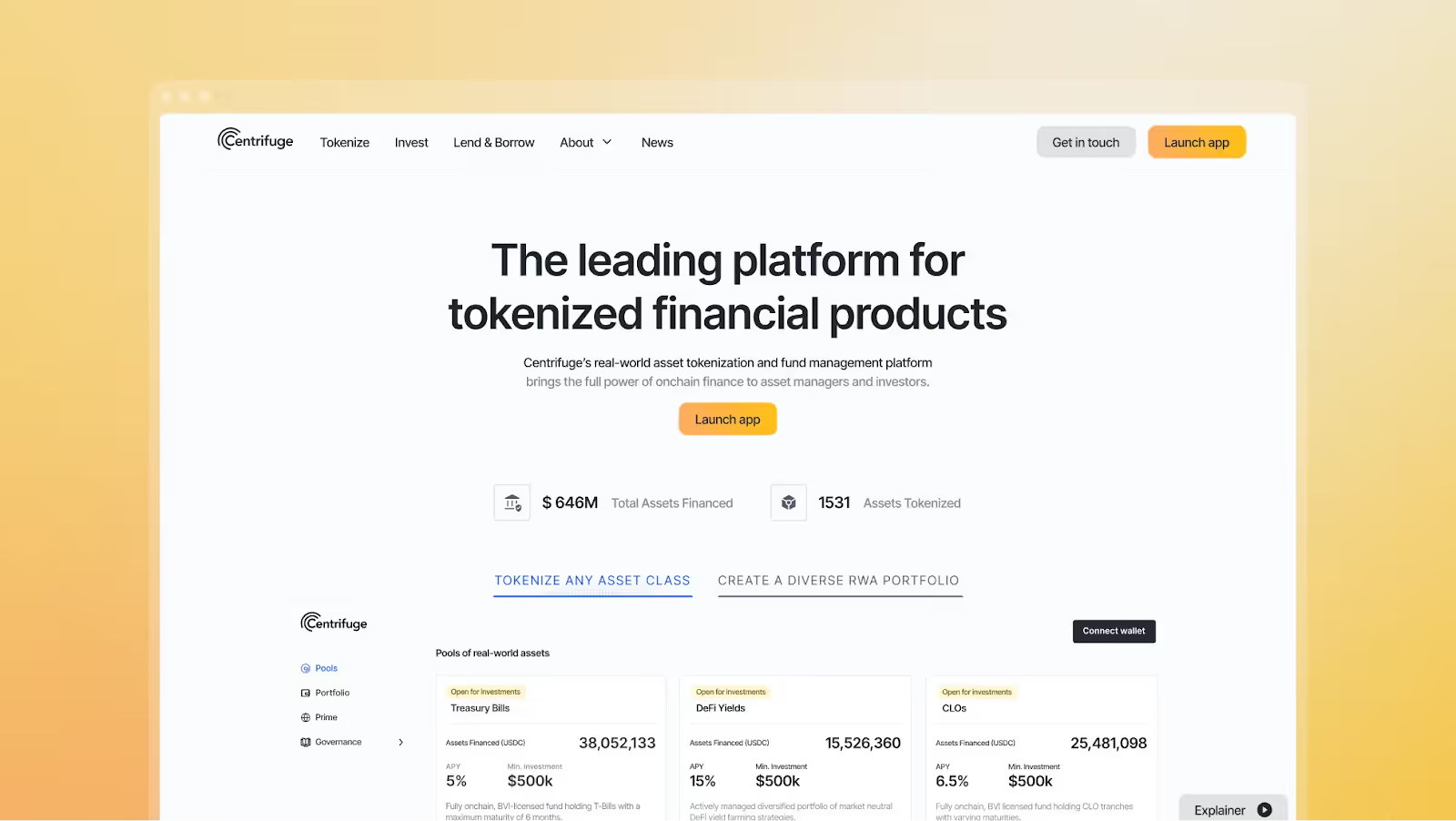
In the world of digital finance, trust is everything, and this Webflow website shows how brand identity and UX can work together to build that trust. Centrifuge’s site smartly uses design to foster it. Deep blues and metallic gradients exude security and modernity, while crisp animations mirror the precision of a fintech product.
Technical concepts are explained through digestible visuals and scrolling interactions, proving that even blockchain-focused brands can be sleek, approachable, and engaging when designed thoughtfully.
For web designers, it is a strong reminder that even complex topics benefit from a user-friendly design and carefully tuned micro-interactions.
5: Pepper 2.0
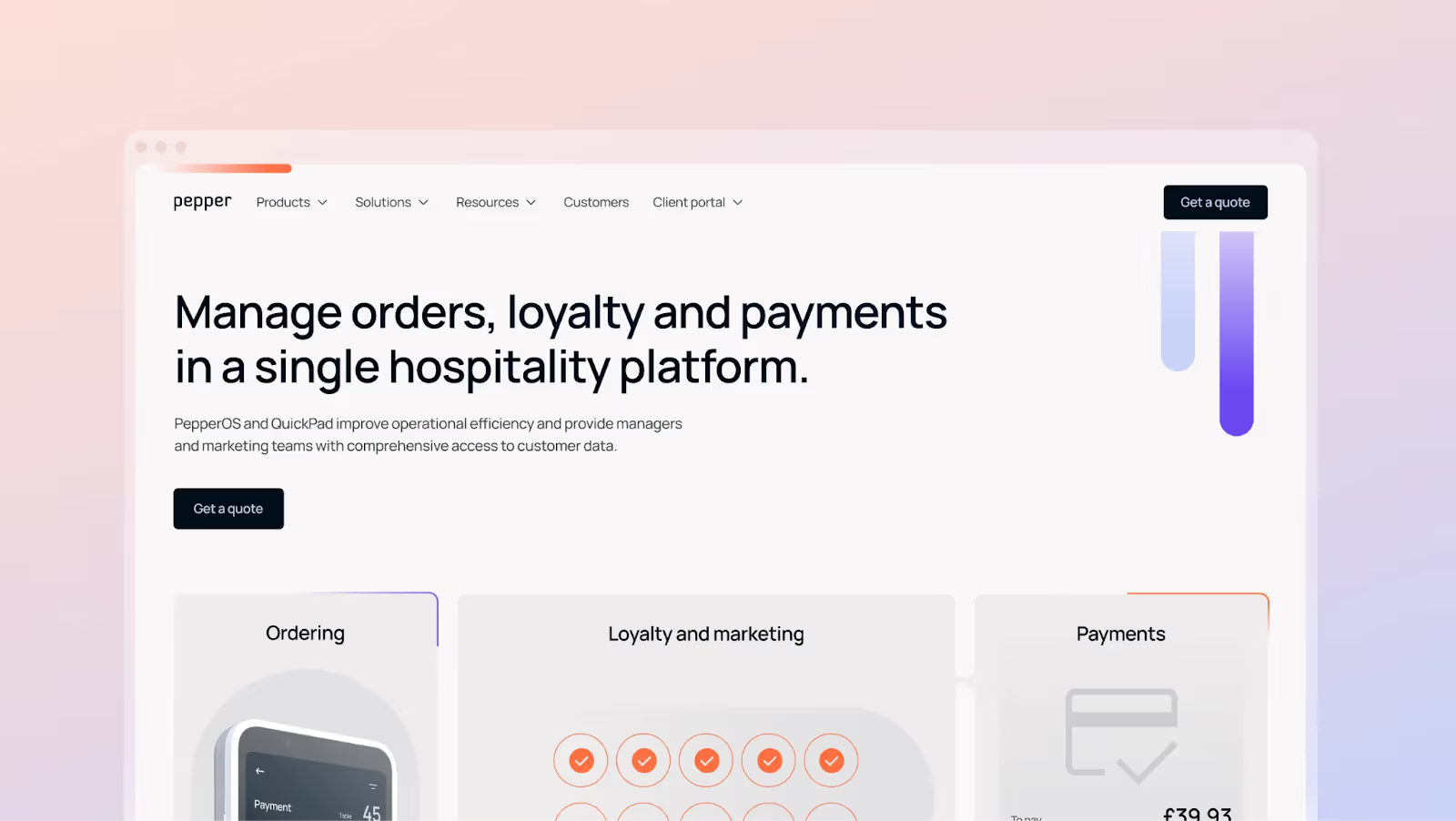
Pepper’s redesign epitomizes the “less but better” mindset of 2026 web design trends and highlights how creative freedom inside a no-code website builder translates into measurable UX wins. Sharp micro-interactions enhance usability, while bold, playful color contrasts grab attention in a professional way.
Webflow’s power really shines here through dynamic CMS-driven content, showcasing product updates, customer stories, client logos, and strategic insights, all editable by Pepper’s internal team without developer dependency.
This is what future-ready SaaS websites should look like: visually expressive but operationally lean, easy to maintain, and tailored to potential clients scanning quickly for proof.
6: Commsor
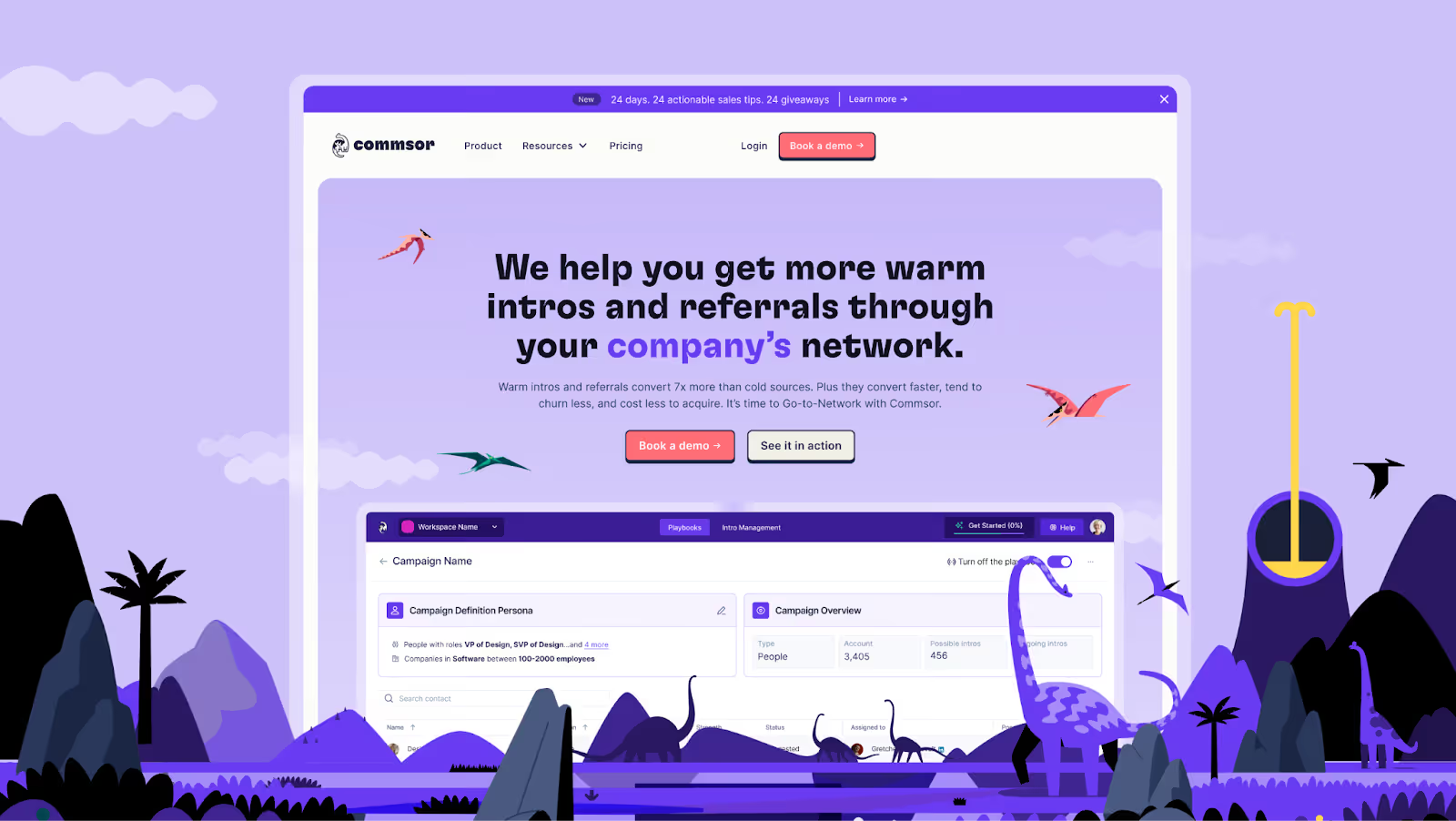
Commsor’s platform revolves around community, and the Webflow site communicates that instantly with narrative-led layouts that feel like a modern portfolio website for community-led growth. The hero section uses subtle animation to symbolize connection, while case studies and testimonials flow organically through the layout.
The design reflects the physics of relationships — expanding networks, linked ideas, and interconnected user journeys.
Webflow’s CMS makes it easy to organize ever-growing resource libraries and blogs while keeping performance lightning fast across page types, ensuring the overall experience remains a user-friendly interface instead of a cluttered knowledge base.
7: ScaffoldBid
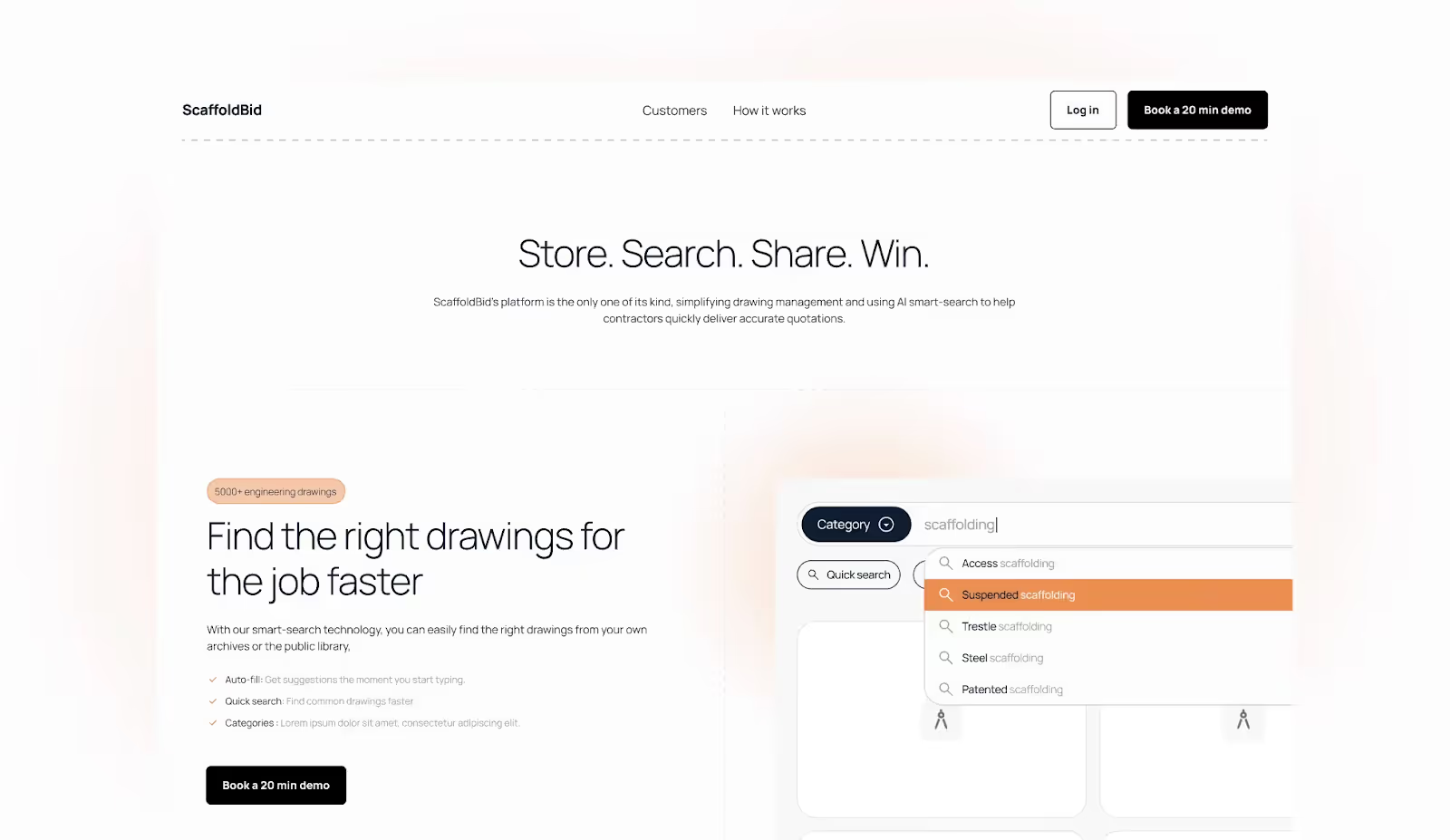
An industrial B2B brand that looks this polished? That’s the Webflow difference, especially when web designers lean into design inspiration from consumer-grade products. ScaffoldBid’s site pairs rugged textures and photo-driven storytelling with a crisp, modern interface that speaks directly to its target audience of construction professionals.
The UX prioritizes quick action. Visitors can find key use cases and bid forms in seconds, which is critical when building websites that need to support busy operational teams.
Meanwhile, Webflow’s structural grid ensures consistency across scalable service listings, proving how a website builder can handle both aesthetics and complexity. It’s a practical example of how even niche B2B markets can benefit from design-led thinking.
8: Parsel
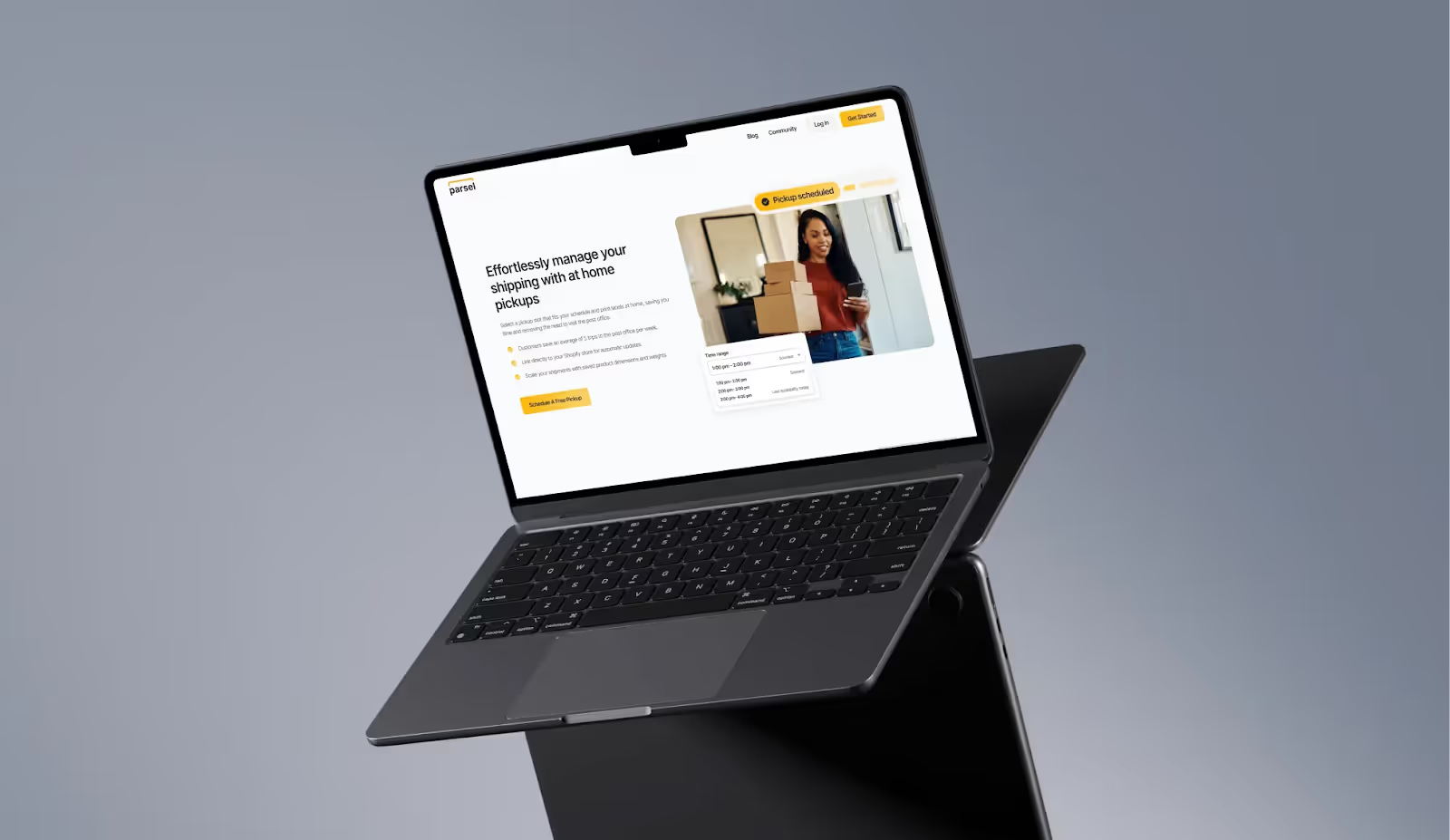
Vibrant accent colors and bold modular sections keep content digestible, while carefully timed animations make it feel alive and full of fresh ideas that help differentiate the product story. With an intuitive CMS backend, Parsel’s content team can easily update partner info, press materials, and use-case pages in minutes without sacrificing a user-friendly design or brand consistency.
This project underlines how a Webflow website can scale alongside content and product complexity while preserving creative freedom for marketing teams.
For web designers, Parsel offers design inspiration around modular layouts, interactive elements, and how to frame client logos and proof points so they feel integrated rather than tacked on.
What the best Webflow websites have in common
Looking across all of these examples, a few overarching design patterns are shaping B2B digital storytelling in 2026 and helping teams ship some of the best Webflow websites in their category:
- Micro-interactions as engagement cues. Subtle motion directs user behavior better than traditional buttons or static visuals, especially when interactive elements clarify the next step.
- Narrative-driven scrollytelling. Leading with story-first layouts, using vertical flow to reveal complex ideas piece by piece, keeps a Webflow website feeling like a guided experience rather than a static brochure.
- Bold typography systems. Large fonts and whitespace-driven grids make content feel confident and legible while supporting minimalist design principles that reduce cognitive load.
- Human touch in digital design. Even enterprise brands are updating tones and imagery to feel more relatable and emotionally resonant for their target audience, which helps attract potential clients and makes portfolio website sections more memorable.
- Performance-led builds. The shift toward lightweight, plugin-free experiences has cemented Webflow’s dominance for fast, secure delivery and aligns with modern expectations for a user-friendly interface on any device.
Together, these elements create a sweet spot between design beauty and marketing efficiency; a balance that’s crucial in the competitive B2B landscape and that gives web designers room for creative freedom without sacrificing clarity.
Why work with Overpass Studio for your Webflow build
At Overpass Studio, everything begins with component thinking, which is ideal for teams that see their marketing site as both a Webflow website and a long-term portfolio website showcasing product evolution. Instead of designing pages one by one, the team builds a scalable system of design assets that grows with your business and your brand identity.
That means your B2B website is functional, fast, and future-proof, with a consistently user-friendly interface and clear pathways for your target audience.
Whether you need a new product marketing site, a complex SaaS hub, or a complete digital transformation, Overpass gives you the creative precision and development speed Webflow makes possible, supporting both minimalist design and more expressive layouts as your storytelling evolves.
From discovery to deployment, their process focuses on:
- Collaborative design strategy rooted in your brand story and tailored to your specific target audience and potential clients.
- Rapid development cycles powered by Webflow’s visual framework, giving both marketers and web designers space for creative freedom within a robust component library.
- SEO, performance, and accessibility baked in from the start so that building websites never means compromising on reach or usability.
- Ongoing support for scaling content as your business grows, including guidance on portfolio website sections, client logos, and new interactive elements that keep the experience fresh.
With a track record of enterprise-grade builds and a passion for design systems, Overpass Studio turns digital complexity into simplicity — one beautifully crafted component at a time, and one Webflow website at a time.
Book a 15-minute intro call →
Get in touch